
APRICOT
Apricot Trees for Sale – Varieties & Sharka | Plant Nursery Koumtsidis
Certified apricot nursery trees from our own nursery: Goldrich, Harcot, Bebeco, Tirynthos and more, with flowering, ripening and sharka data. Delivery to Greece and abroad.
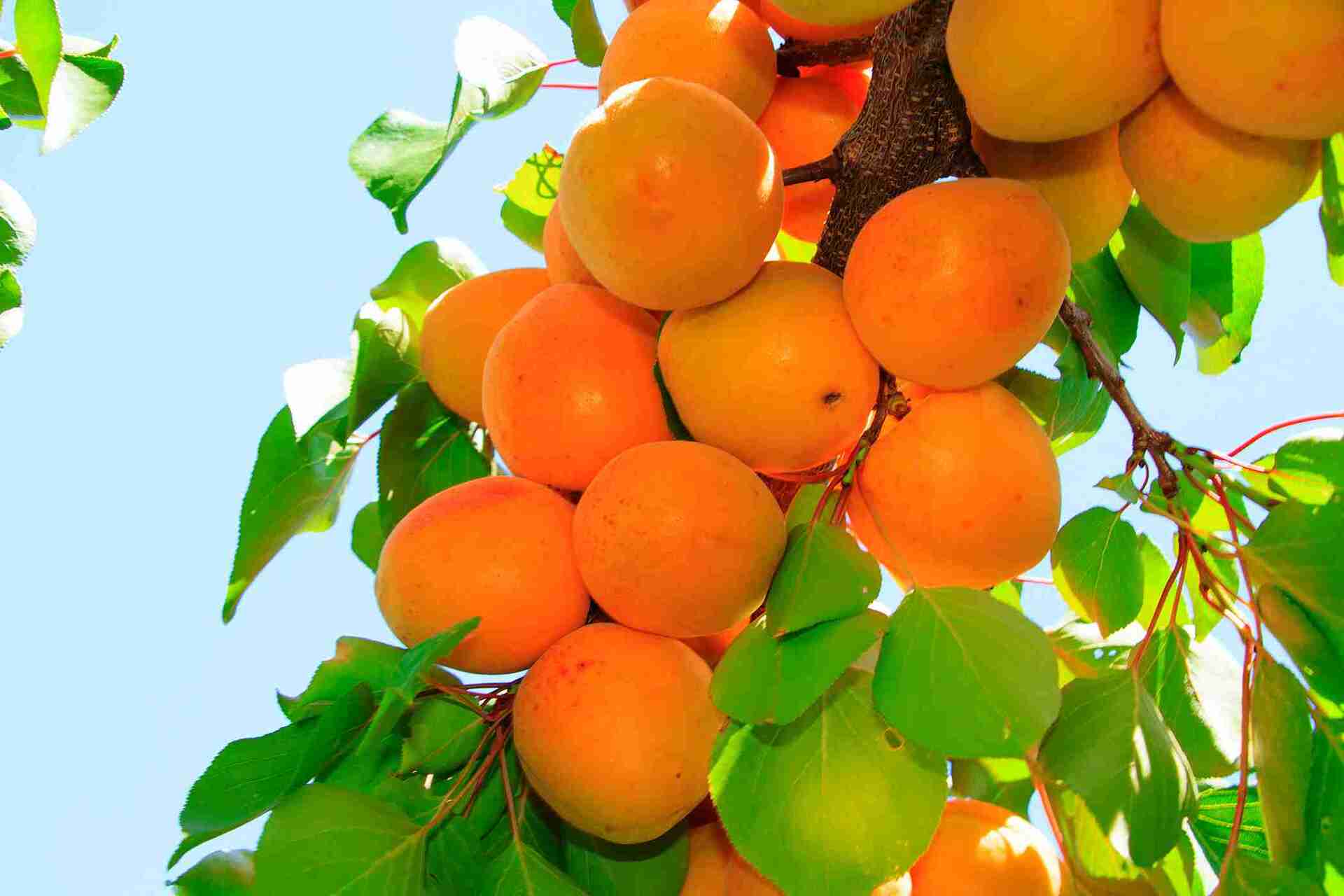
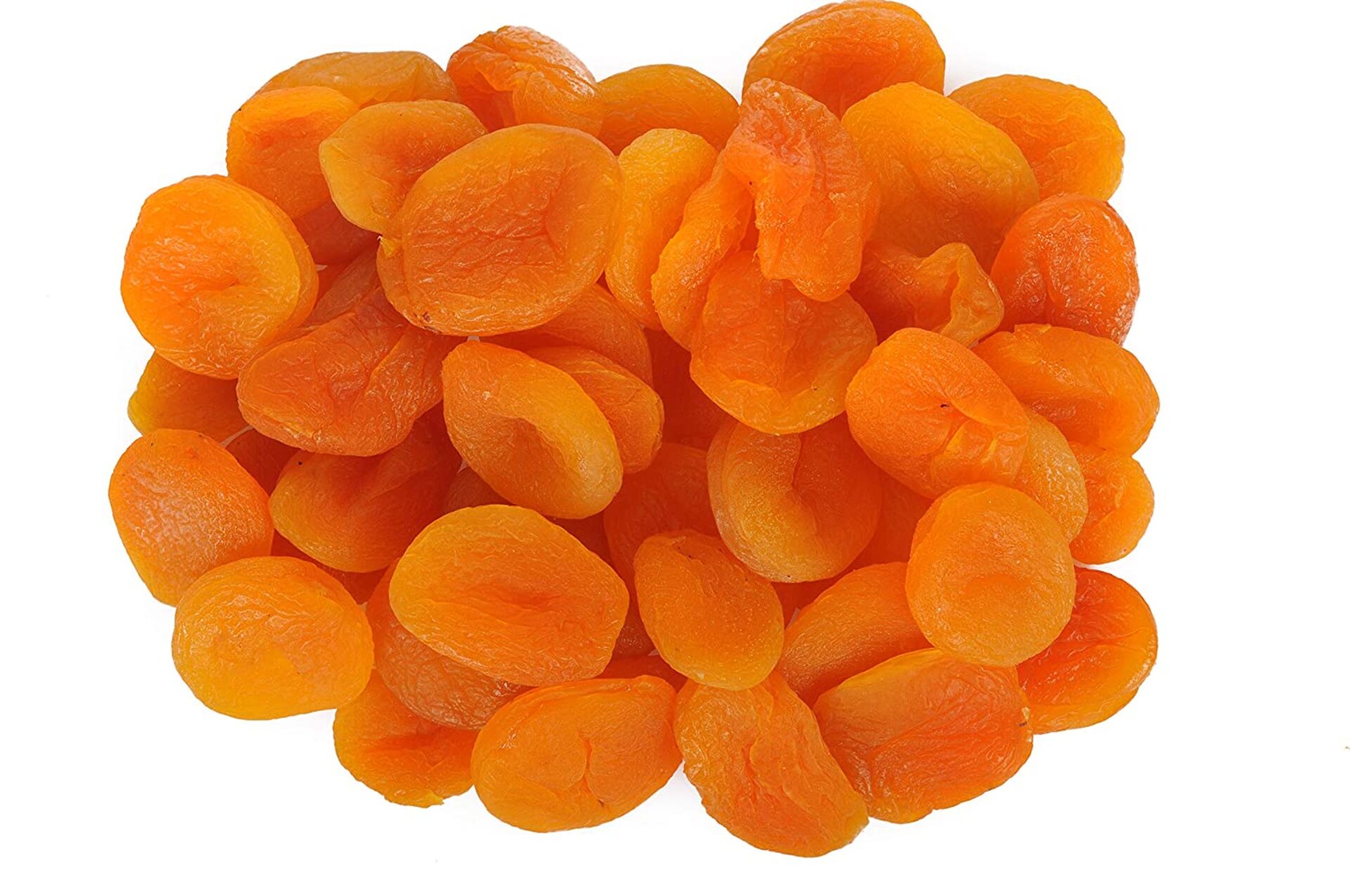
| Kingdom: | Plantae |
| Clade: | Angiosperms |
| Clade: | Eudicots |
| Clade: | Rosids |
| Order: | Rosales |
| Family: | Rosaceae |
| Genus: | Prunus |
| Subgenus: | Prunus subg. Prunus |
| Section: | Prunus sect. Armeniaca |
| Species: | P. armeniaca |
We grow certified apricot nursery trees, free of sharka (plum pox virus), in our nursery 7 km along the Veria–Naoussa road. With apricot, the choice of variety decides three things: resistance to sharka, the risk of spring frost and pollination. We help you choose correctly on all three.
All our trees are produced by us, with an EU plant passport. We recommend only royalty-free varieties, with no breeders' rights added to the price of the tree.
Apricot varieties
|
Variety |
Flowering |
Ripening |
Sharka |
Pollination |
Characteristics |
|---|---|---|---|---|---|
|
Proimo Porou |
Mid February |
Late May |
Highly susceptible |
Self-fertile |
White flesh, sweet, aromatic, 40 g; only for warm southern areas |
|
Rodavgi |
Early March |
Late May |
No symptoms in Naoussa |
Self-fertile |
Greek variety bred by the Naoussa Institute |
|
Neraida |
9 March |
1 June |
No symptoms in Naoussa |
Self-fertile |
Greek variety bred by the Naoussa Institute |
|
Proimo Tirynthos |
5–10 March |
2–5 June |
Highly susceptible |
Self-fertile |
Very productive, large firm fruit 55–60 g, very good shipping quality |
|
Niki |
10–15 March |
5 June |
Resistant |
Self-fertile |
Early, large fruit (50–55 g), orange |
|
Thyella |
Early March |
5 June |
No symptoms in Naoussa |
Self-fertile |
Greek variety bred by the Naoussa Institute |
|
Niovi |
10–15 March |
8–10 June |
Resistant |
Self-fertile |
Orange with red blush, 55–60 g, very good flavour |
|
Tyrvi |
10–15 March |
8–10 June |
Resistant |
Self-fertile |
Very high and regular yields, very firm fruit, for fresh market and canning |
|
Harcot |
5–8 March |
8–10 June |
Tolerant |
Needs a pollinator flowering at the same time |
Large attractive fruit 60–65 g, very good flavour; for northern areas |
|
Lais |
10 March |
10 June |
No symptoms in Naoussa |
Self-fertile |
Greek variety bred by the Naoussa Institute |
|
Perla |
15–20 March |
≈10 June (northern Italy) |
Resistant |
Self-fertile |
Traditional Italian, medium size, hardy tree, high yield |
|
Bella d'Imola |
15–20 March |
≈15 June (northern Italy) |
Resistant |
Self-fertile |
Traditional Italian, good flavour, hardy tree |
|
Goldrich |
Mid March |
16–20 June |
Tolerant |
Partly self-sterile — pollinator at 10% |
Very large fruit 70 g, bright orange, very firm |
|
Nostos |
15 March |
20–22 June |
Resistant |
Self-fertile |
Large fruit 65 g, very firm; fresh market, compote, freezing |
|
Bebeco |
15–20 March |
22–25 June |
Highly susceptible |
Self-fertile |
The classic Greek variety, 70–75 g, aromatic; fresh, compote, freezing, jam |
|
Diamantopoulou |
Mid March |
≈25 June |
Highly susceptible |
Self-fertile |
Small (35 g), very sweet, aromatic fruit; poor shipping quality |
|
San Castrese |
15–20 March |
≈25 June (northern Italy) |
Resistant |
Self-fertile |
Traditional Italian, hardy tree, high yield |
|
Nireis |
15–20 March |
25–27 June |
Resistant per the Institute (2007); showed leaf symptoms in 2016–17 |
Self-fertile |
Very good quality, high and regular yields, 65 g |
|
Vitillo |
15–20 March |
≈30 June (northern Italy) |
Tolerant |
Self-fertile |
Traditional Italian, large fruit, high yield |
|
Bergeron |
15–20 March |
≈15 July (northern Italy) |
Resistant |
Self-fertile |
Old French variety |
|
Luizet |
10 March |
20–22 June |
Tolerant |
Self-fertile |
Old French variety |
Varieties susceptible to sharka are recommended only for areas where the virus is not widespread. Tolerant varieties show no symptoms but can carry the virus. Source of the characteristics: Institute of Deciduous Fruit Trees, Naoussa.
Rootstocks
|
Rootstock |
Suited to |
|---|---|
|
Apricot seedling |
Light, well-drained soils; excellent compatibility with all varieties |
|
Myrobalan (P. cerasifera) |
Heavier and wetter soils, where apricot seedling struggles |
|
Myrobalan 29C |
Clonal myrobalan selection, vigorous. Resistant to nematodes, wet soils and bacterial canker |
|
Mirared |
P. cerasifera × P. persica hybrid |
Planting and yield
Apricot prefers medium-textured, fine soils. It flowers early, so in northern Greece spring frost is the biggest risk: the tree withstands very low winter temperatures, but flowers and young fruit are easily damaged. Do not plant after tomato, potato or aubergine, because of Verticillium wilt.
|
Planting distances |
Trees per hectare |
|---|---|
|
3 × 5 m |
667 |
|
3.5 × 5 m |
571 |
|
4 × 5 m |
500 |
Yield: in full production each tree gives 80–120 kg of apricots, that is 40–50 tonnes per hectare.
Ordering and delivery
Bare-root apricot trees are available from November to March. They are delivered to Greece and abroad: within 24 hours in mainland Greece, 48 hours to the Greek islands, and to other countries in a time that depends on the destination. They travel in parcels or on pallets with an EU plant passport; shipments outside the EU also need a phytosanitary certificate — ask us about the requirements for your country.
Request a quote: tell us the varieties, quantity and location. We will suggest a combination of varieties that flower together and suit the sharka risk of your area.
Frequently asked questions
Which apricot varieties resist sharka? Niki, Niovi, Tyrvi, Nostos, Perla, Bella d'Imola, San Castrese and Bergeron are resistant; Harcot, Goldrich, Vitillo and Luizet are tolerant. The traditional Bebeco, Tirynthos, Proimo Porou and Diamantopoulou are highly susceptible.
Does apricot need a pollinator? Bebeco and Tirynthos are self-fertile. Harcot needs a variety that flowers at the same time, and Goldrich needs a pollinator on 10% of the trees and bees.
How do I protect an apricot orchard from frost? Choose a site without frost pockets, avoid very early varieties in cold areas and combine varieties with different flowering times.
Do you deliver outside Greece? Yes, we deliver to Greece and abroad. In Greece delivery takes 24 hours on the mainland and 48 hours on the islands; for other countries it depends on the destination.