
MESPILUS
Medlar Trees (Mespilus germanica) – Autumn Fruit | Plant Nursery Koumtsidis
Medlar nursery trees (Mespilus germanica): a hardy deciduous tree that ripens in November and needs almost no spraying. Delivery to Greece and abroad.
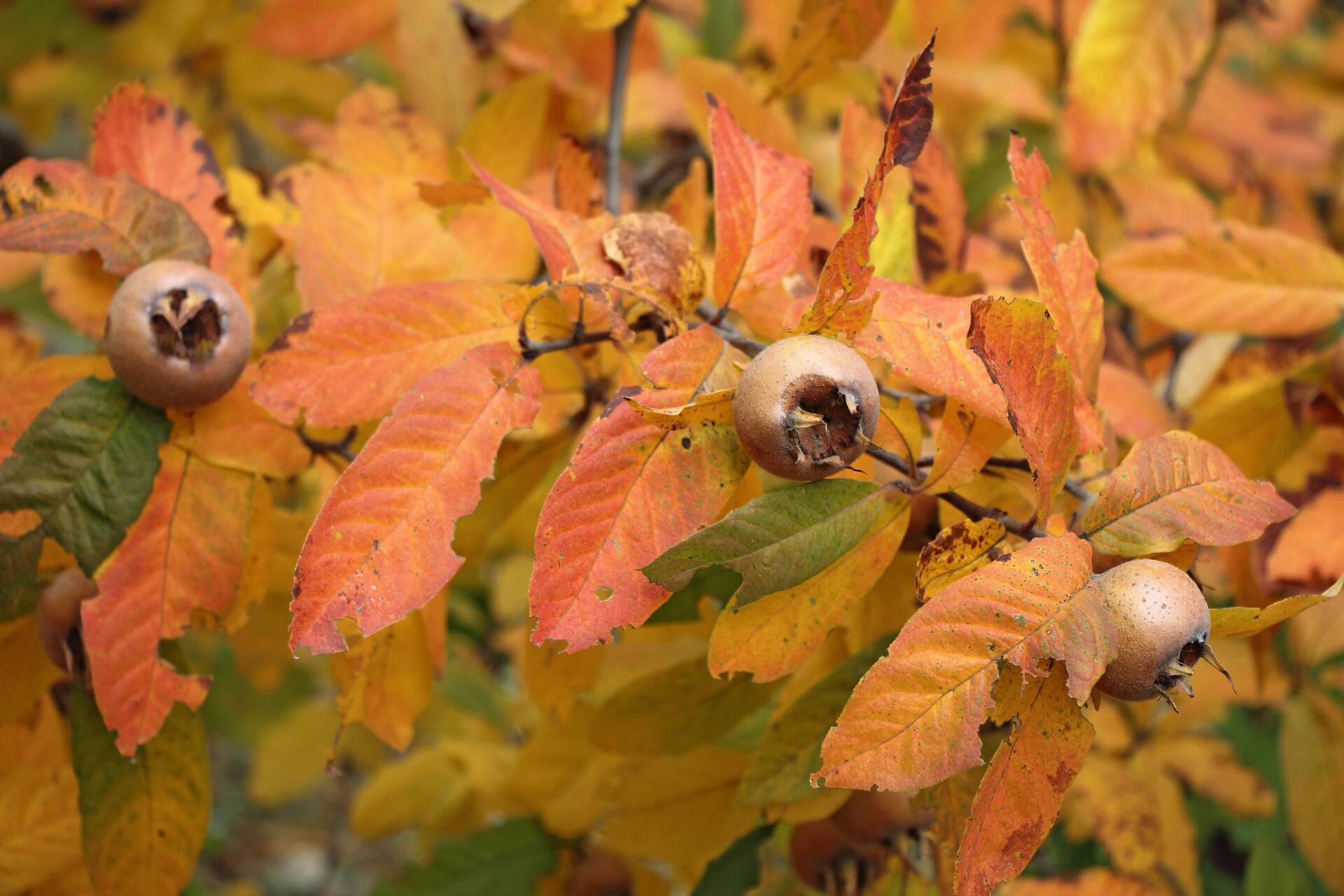
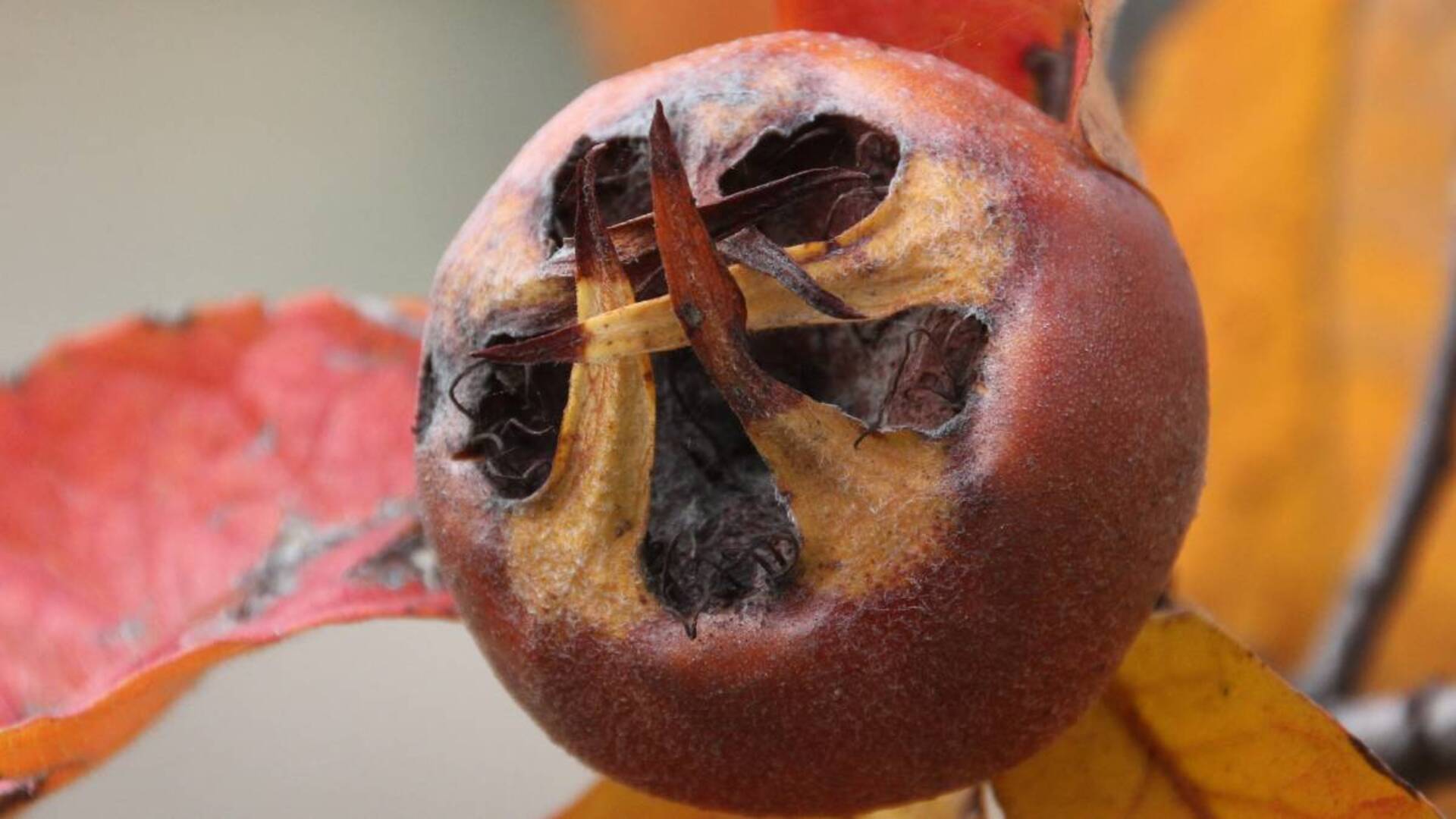
The medlar (Mespilus germanica) is a deciduous tree up to 5 metres tall. It is native to eastern Europe and also grows wild in the forests of northern Greece. It needs very little care and almost no spraying, and it is self-fertile.
The fruit ripens in November, with the first frosts. When picked it is hard and astringent. It is eaten once it has over-ripened and softened, when it becomes sweet-sour and very nutritious. It is also good for jam.
All our trees are produced in our own nursery, 7 km along the Veria–Naoussa road, with an EU plant passport.
Characteristics
|
Feature |
Medlar |
|---|---|
|
Tree |
Deciduous, up to 5 m, with large white or pink flowers |
|
Pollination |
Self-fertile |
|
Fruit |
5–7 cm, astringent at harvest; eaten when soft and sweet-sour. Very nutritious, good for jam |
|
Harvest |
Late October – mid November |
|
Site |
Prefers a cool aspect |
Planting and yield
Medlar has no special soil requirements, but it prefers a cool aspect. Establishment cost: about €1,000–2,000 per hectare.
|
Planting distances |
Trees per hectare |
|---|---|
|
3 × 4 m (open vase) |
833 |
Yield: 30–40 tonnes per hectare in full production.
Ordering and delivery
Bare-root medlar trees are available from November to March. They are delivered to Greece and abroad: within 24 hours in mainland Greece, 48 hours to the Greek islands, and to other countries in a time that depends on the destination. They travel in parcels or on pallets with an EU plant passport; shipments outside the EU also need a phytosanitary certificate — ask us about the requirements for your country.
Request a quote: tell us the quantity and location, and we will get back to you with a quote.
Frequently asked questions
What is the difference between medlar and loquat? In Greek both are called «mousmoulia». The medlar loses its leaves and ripens in autumn. The loquat (Eriobotrya japonica) is evergreen and ripens in spring, before cherries.
When is the medlar fruit eaten? Once it has over-ripened and softened, usually a few days after harvest. It then loses its astringency and becomes sweet-sour.
Does it need a pollinator? No, the medlar is self-fertile.
Do you deliver outside Greece? Yes, we deliver to Greece and abroad. In Greece delivery takes 24 hours on the mainland and 48 hours on the islands; for other countries it depends on the destination.